
Tub-to-Shower Conversion: What to Know Before You Start
Thinking about replacing your bathtub with a walk-in shower? Here is what the project involves and what to ask first.
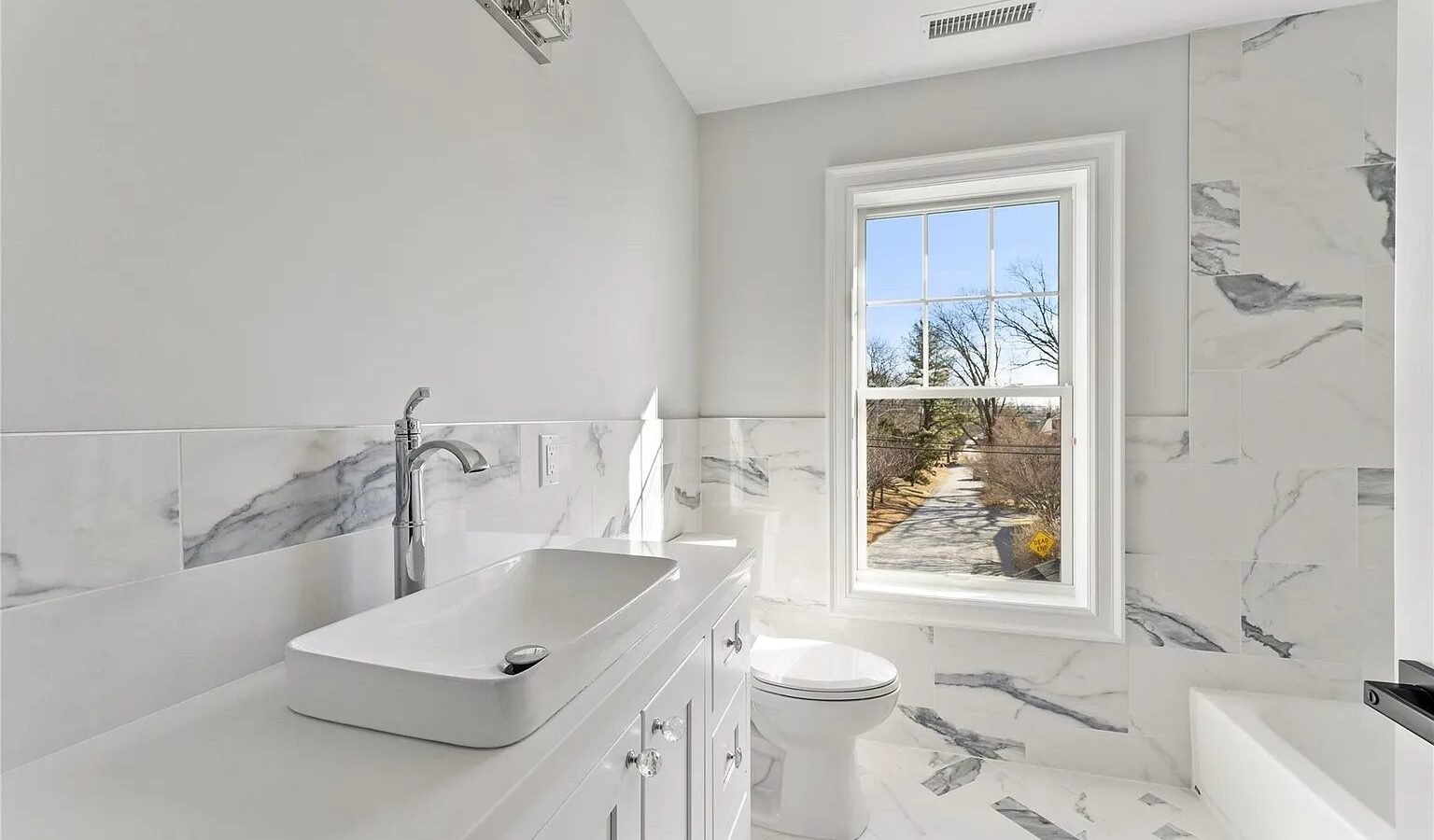
Replacing a bathtub with a walk-in shower is one of the most common bathroom projects we see. It can make a bathroom feel larger, easier to use and safer. Here is what to think about before you start.
Is a shower conversion right for you?
If nobody in your home uses the tub, or someone has trouble stepping over the edge, a shower often makes sense. If you have only one bathtub and children, or you value resale to families, consider keeping a tub somewhere in the home.
What the work involves
- Removing the tub and the surrounding wall finishes
- Checking the floor and framing for damage
- Adjusting the drain and supply plumbing
- Building a properly sloped base or installing a shower pan
- Waterproofing the walls and floor before any tile goes on
- Installing tile, a valve and shower head, and glass or a curtain
Why waterproofing matters most
Tile and grout are not waterproof by themselves. The layer behind them is what keeps water out of the walls. Skipping or rushing it is the most common cause of leaks later, so ask any contractor how they waterproof a shower.
Curbless and accessible options
A curbless entry lets you walk straight into the shower. It takes more planning because the floor must slope toward the drain, so decide early if you want it.
Questions to ask a contractor
- How will you waterproof the shower?
- Is the floor structure checked before work starts?
- What is included in the estimate, and what could change it?
- How long will the bathroom be out of use?
Ready to plan yours? Request a free estimate or read about our bathroom remodeling work.